Taskboard: A Professional Dashboard UI Kit for Designers
Imagine transforming a complex project management concept into a sleek, intuitive digital interface in a fraction of the usual time. This is the power a well-crafted UI kit brings to modern design workflows. The Taskboard - Task Dashboard UI UX KIT is a comprehensive resource built for designers, developers, and product teams who need to create high-quality task management interfaces efficiently. It provides a robust foundation for building professional dashboards that are both visually compelling and functionally clear, directly addressing the need for speed and quality in today's fast-paced design environment.
Why a Professional UI Kit is a Game-Changer
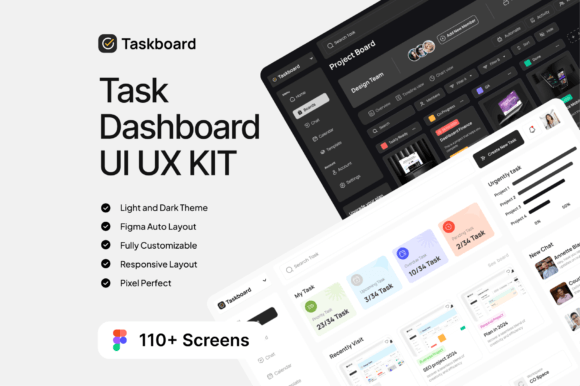
In the realm of UI design and UX design, consistency and usability are paramount. A scattered collection of components leads to disjointed user experiences and extended development cycles. A purpose-built kit like Taskboard solves this by offering a unified system. With over 110 screens, it establishes a strong visual hierarchy and a cohesive design system from the start. This isn't just about having pre-made elements; it's about adopting a structured approach to web design that ensures every button, card, and navigation bar works in harmony, reinforcing brand identity through meticulous detail.
Core Features for Effective Visual Communication
The true value of any creative asset lies in its flexibility and quality. The Taskboard kit is engineered with practical application in mind:
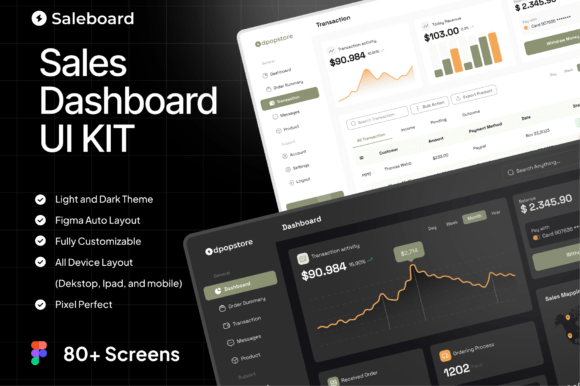
- Dual-Mode Aesthetics: Includes fully designed Dark Mode and Light Mode variants. This allows designers to immediately adapt to user preferences or specific branding guidelines, a crucial consideration for modern digital products.
- True Scalability: Built in Figma as 100% vector editable and scalable graphics. This ensures every element remains crisp on any screen, from mobile apps to large responsive website displays, without loss of quality.
- Organized for Efficiency: A well-organized layer structure and named components make customization intuitive. Designers can easily locate, modify, and reuse elements, dramatically streamlining the design workflow.
Practical Applications Beyond Dashboards
While its primary function is dashboard creation, the components within this UI kit have versatile applications across numerous creative projects. The principles of clear data presentation and user-centric layout are universally valuable.
- Marketing & Social Media Graphics: Use card-based layouts and data visualization styles to create engaging infographic-style posts for social media, enhancing your digital marketing content with a professional edge.
- Professional Presentations: Adapt chart components, progress bars, and clean typography for corporate presentations or investor decks, ensuring a polished and data-driven narrative.
- Editorial & Web Design: The grid systems and modular layouts are excellent inspiration for editorial design on news portals or blogs, where presenting complex information clearly is key.
Tips for Integrating Design Assets Effectively
Adopting a new resource requires thoughtful integration. To maximize the impact of the Taskboard kit or any premium design asset, consider these principles:
- Evaluate for Scalability: Ensure the asset's color palette and typography are easily customizable to match your existing brand. The kit's use of free Google fonts and easy color change features is a prime example of this flexibility.
- Prioritize Consistency: Use the provided components to maintain a uniform look and feel across all user touchpoints. Consistency builds trust and strengthens brand identity.
- Focus on User Goals: Always adapt the layout to serve your end-user's needs. A dashboard's success is measured by its usability, not just its aesthetics. Use the pre-built structures to ensure logical visual hierarchy and intuitive navigation.
Ultimately, investing in high-quality, organized design resources is an investment in clarity and professionalism. Tools like the Taskboard UI kit empower creators to move beyond foundational construction and focus on strategic innovation, user empathy, and refining the details that create exceptional digital experiences. In a landscape where first impressions are digital, having a reliable system for crafting beautiful, functional interfaces is not just an advantage—it's a necessity for effective communication and lasting engagement.