Secure Your Designs: Academic Certificates with Guilloche
In a world saturated with digital content, the tactile and secure nature of printed documents holds immense value, especially for official credentials. The intricate, fine-line patterns of guilloche are not just a visual flourish; they are a cornerstone of security printing, instantly elevating the perceived legitimacy and prestige of any document.
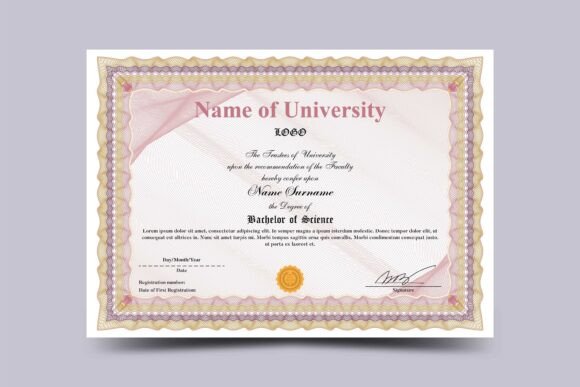
For graphic designers working on projects like an original university certificate, diploma, or even a bank cheque, integrating these complex vector designs is a masterclass in blending artistry with function. This specialized approach to visual design creates a powerful anti-counterfeiting measure while delivering a sophisticated, professional presentation that standard templates cannot match.
The Power of Precision in Visual Communication
Guilloche patterns serve as a sophisticated background, transforming a simple document into a symbol of achievement and trust. Their value extends far beyond mere decoration. In the context of brand identity and official communications, these patterns convey permanence, authority, and meticulous attention to detail. A well-executed guilloche design on a certificate or cheque immediately signals to the holder that the issuing institution values quality and security.
This principle is crucial in modern graphic design. Whether you are crafting a brand identity for a financial institution or designing premium packaging, elements that communicate trust and craftsmanship can significantly strengthen your overall branding strategy. The intricate geometry of guilloche provides a timeless aesthetic that aligns with both traditional values and modern aesthetics.
Practical Applications for the Modern Designer
The utility of secure, vector-based design assets like these extends into numerous creative projects. Their inherent scalability and print-ready quality make them invaluable for professionals. Consider these applications:
- Official Documentation: Beyond academic certificates, think of award plaques, professional licenses, or membership cards where authenticity is paramount.
- Premium Marketing Materials: Use guilloche patterns in the background of high-end brochures, event invitations, or luxury brand stationery to create a tactile, memorable experience.
- Digital and Editorial Design: Adapt the patterns for use in sophisticated website hero sections, annual report backgrounds, or editorial layouts to add depth and a layer of visual hierarchy.
- Packaging and Merchandise: Incorporate these designs into product packaging for cosmetics, spirits, or gourmet goods to evoke a sense of heritage and premium quality.
Integrating Secure Design Elements Effectively
When selecting and using such assets, a thoughtful approach ensures they enhance rather than overwhelm your design. The key is balance and purpose. A guilloche background should support the primary content—like the recipient's name and the institution's logo—not compete with it. This requires careful manipulation of color, opacity, and scale.
A professional asset, such as the one described, is designed with workflow in mind. Features like an A4 size, CMYK color scheme, and well-organized layers in Adobe Illustrator (EPS) are not just technical details; they are essential for a seamless design workflow. They ensure the asset is truly print-ready and fully editable, allowing you to adapt the colors to your existing color palette and integrate it seamlessly into your project. This level of compatibility is what separates a generic template from a professional creative asset.
Ultimately, the choice to use intricate, secure design elements like guilloche is a commitment to quality. It reflects an understanding that every visual touchpoint communicates something about the brand or institution it represents. By leveraging high-caliber, editable design assets, you ensure that your creative projects not only look exceptional but also communicate the right message of integrity, prestige, and meticulous care. This thoughtful approach to design elevates both the aesthetic and the communicative power of your work.