Interior Design Resume Template CV: A Modern Visual Toolkit
In the competitive field of interior design, your portfolio is crucial, but the first impression is often made on paper. A well-crafted Interior Design Resume Template CV is more than a list of jobs; it's a piece of graphic design that communicates your aesthetic sensibility, attention to detail, and professional brand identity. This template serves as a foundational creative asset, providing a clean, modern framework that allows your unique skills and experience to take center stage, ensuring your application stands out in a stack of generic documents.
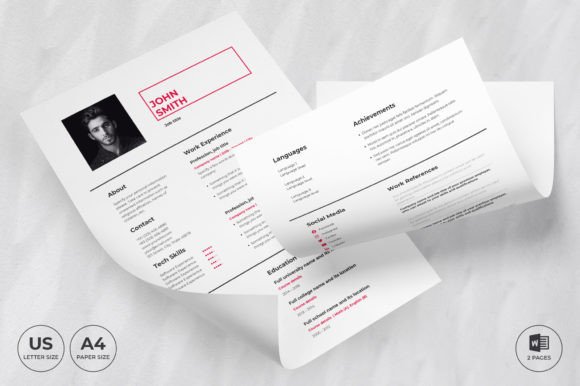
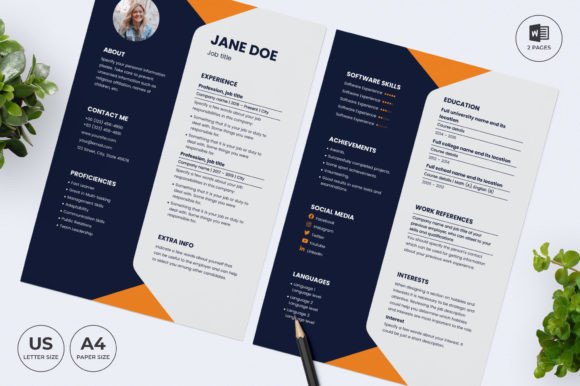
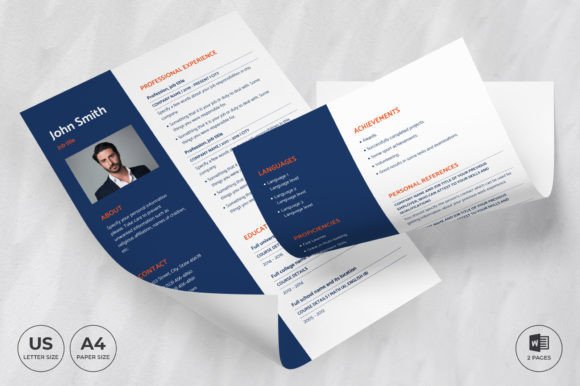
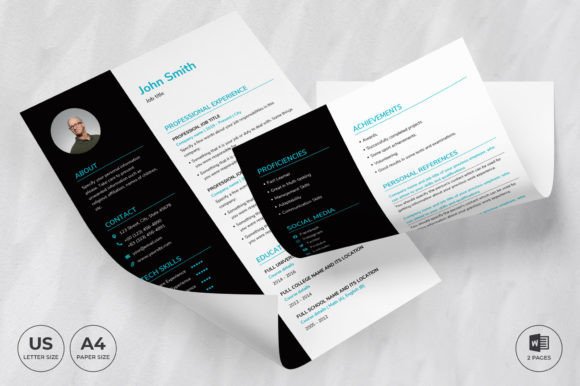
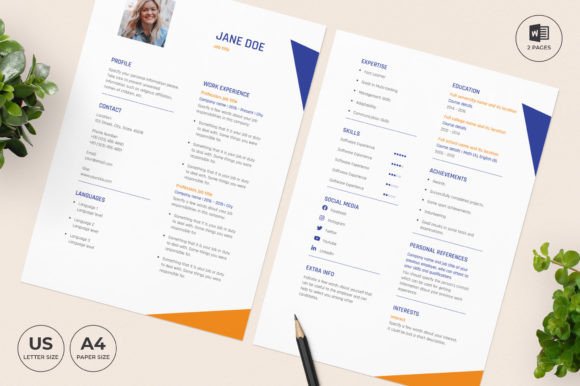
From a visual design perspective, a resume is a critical exercise in hierarchy, typography, and composition. It must balance creativity with clarity, guiding the employer's eye through your qualifications seamlessly. This is where professional design principles become paramount. The template is carefully designed to a grid, establishing a logical flow and visual rhythm. It employs a thoughtful color palette and typographic system that you can customize, ensuring alignment with your personal brand while maintaining the professional presentation expected in the industry.
Practical Applications Beyond the Resume
The principles and assets within a high-quality CV template extend far beyond job applications. Understanding its structure and customizable features provides a valuable lesson in creating cohesive branding materials. Consider how the same design workflow can be applied to:
- Marketing Materials: Use the template's layout as inspiration for designing brochures, lookbooks, or project proposals that require a polished, professional presentation.
- Social Media Graphics: Extract the color palette and font pairings to create a consistent visual identity across your portfolio website, Instagram, or LinkedIn banners.
- Digital Portfolios & Presentations: The grid system and visual hierarchy learned from customizing the CV can directly inform the design of slide decks or PDF portfolios, enhancing user engagement and readability.
- Brand Collateral: The process of editing every word, color, and section teaches you how to build a flexible brand identity system, applicable to business cards, letterheads, and packaging design.
Key Design Elements for Maximum Impact
Selecting and evaluating a design asset like a resume template involves scrutinizing the details that contribute to its effectiveness. Focus on these core elements to ensure your final product is both beautiful and functional:
- Typography & Readability: The template uses free fonts, but the true value lies in the typographic hierarchy. Ensure headings, subheadings, and body text are distinct yet harmonious, prioritizing readability above all else.
- Color Psychology & Palette: Colors evoke emotion. While you can change any color, choose a palette that reflects your design style—whether it's minimalist neutrals or bold accents—while ensuring sufficient contrast for accessibility.
- Visual Hierarchy & Grid: A carefully designed grid creates order. Use alignment and spacing to create clear sections, making it easy for a prospective employer to scan and find key information quickly.
- Scalability & File Formats: High-resolution files in A4 and US Letter sizes ensure your CV looks sharp on screen and in print. The inclusion of a fully editable DOCX file demonstrates a commitment to usability within a standard design workflow.
Ultimately, your resume is a direct reflection of your design thinking. By leveraging a structured yet flexible template, you invest in a tool that not only presents your qualifications but also demonstrates your understanding of modern aesthetics and professional communication. Thoughtful design choices in these foundational documents build credibility, allowing your creative vision and technical skills to resonate clearly and memorably with every viewer.